Using an AI Lifestyle Video Generator to Create High-Converting Product Videos
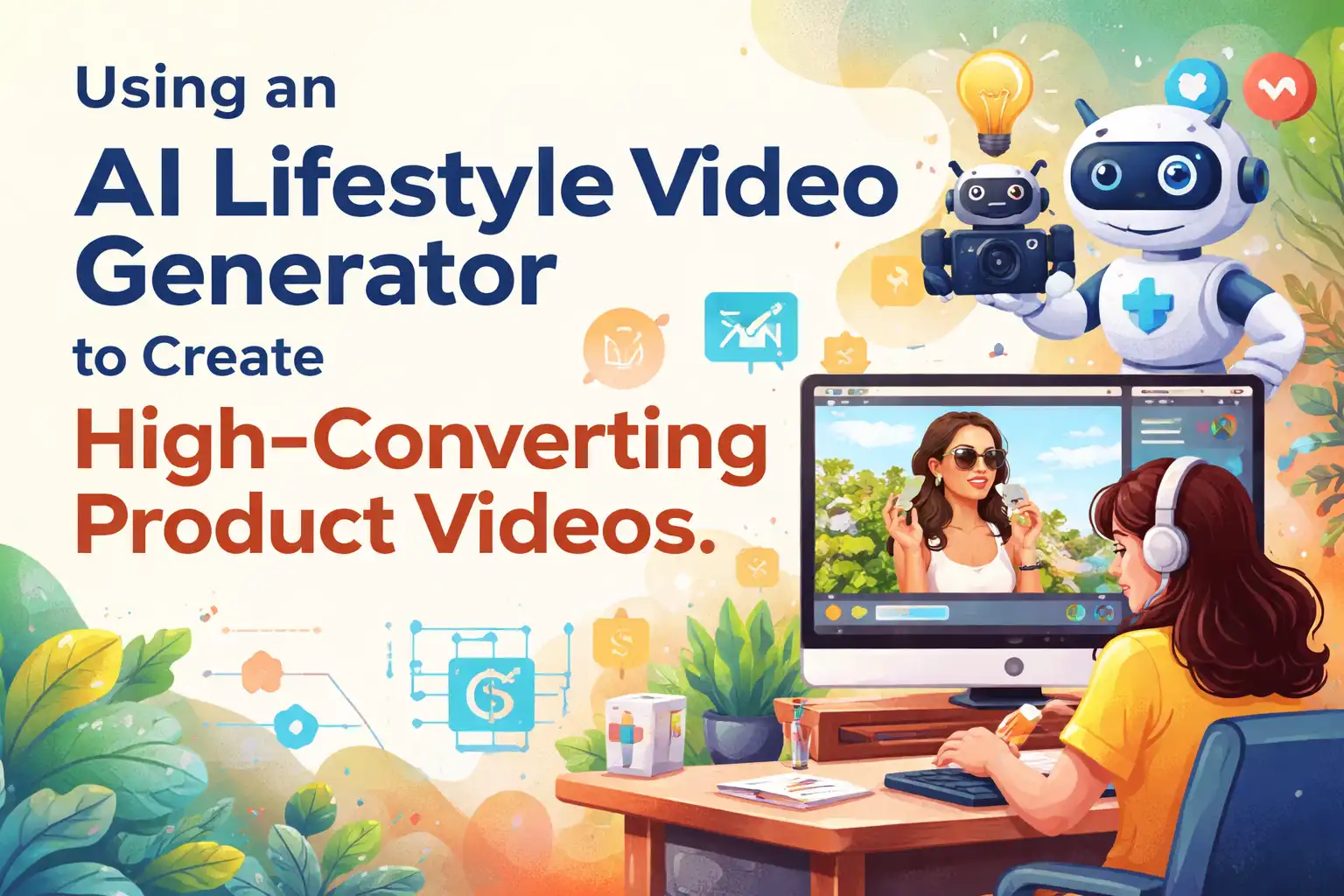
An ecommerce seller needs a lifestyle video for a new SKU—a clip showing the product in real use. Filming, editing, and voiceover take days and cost hundreds. An AI lifestyle video generator changes this by turning a product URL into a polished, scene-based advertisement in under 60 seconds, letting sellers produce lifestyle content at scale without a production crew. This article walks through how these tools work, why they matter for conversion, and where they still fall short.
What Makes a Video a “Lifestyle” Video and Why It Matters for Ecommerce
A lifestyle video places a product in an authentic, real-world context rather than a plain studio shot. Instead of a white-background clip of a coffee mug, you see someone holding it during a morning routine. Instead of a static photo of a desk lamp, you watch it illuminate a workspace at dusk. The difference is psychological: shoppers mentally place themselves in the scene.
Products with lifestyle videos see a 30% increase in conversion rates according to industry benchmarks. That bump comes from reducing purchase anxiety—when someone can imagine using the item in their daily life, they buy more confidently. But traditional production creates barriers. You need talent, locations, equipment, and editing time. For a single SKU, the cost can run $500–$2,000, and turnaround is several days. Sellers with dozens of products simply cannot produce lifestyle content for every listing under that model.
The gap between consumer expectations and production capacity is where AI generators enter.
How an AI Lifestyle Video Generator Works — From Product URL to Finished Ad
The workflow starts with a product URL. Paste the link, and the AI extracts key details: product name, features, image assets, pricing, and descriptions. It then generates hooks—opening lines designed to stop scrolling—along with multiple script variants for different durations. A storyboard builder lays out scenes frame by frame, and voiceover in 30 languages with auto-captions is added automatically. Most videos render in 60–90 seconds.
Output formats cover the major social platforms: 9:16 for TikTok, Instagram Reels, and YouTube Shorts; 1:1 for Facebook; 16:9 for YouTube. This eliminates the manual re-editing that eats up hours when repurposing content.
One platform that implements this end-to-end workflow is VEONIB. It analyzes the product page and outputs hooks, scripts, storyboards, and scenes automatically—no timeline knowledge required. For sellers who want to create TikTok and Instagram ads from product pages, this compresses a multi-person production pipeline into a single paste step.
Why Ecommerce Sellers Need Lifestyle Videos for Social Commerce
Platforms like TikTok Shop, Instagram Reels, and YouTube Shorts reward frequent publishing. The algorithm favors accounts that post multiple times per week, and lifestyle content outperforms static product shots across every metric—impressions, click-through rate, and conversion.
Brands that publish three or more videos per week see roughly double the engagement on social platforms compared to those posting less. This creates a pacing problem: even a small catalog of twenty products demands sixty videos a month if you want to follow this cadence. Traditional production cannot sustain that volume without tripling headcount or outsourcing to agencies.
AI generators fill that content calendar. You can test multiple hooks and scenes per product without scaling your team. Instead of guessing which angle resonates, you run five variants, measure performance, and double down on winners. Over time, this data feeds back into better hook generation. For more on this approach, the guide on automated video ads for e-commerce covers how to maintain volume without burning budget. As the Shopify Blog notes, social commerce growth is outpacing traditional channels, and video is the primary driver.
Best Practices for Generating High-Converting Lifestyle Videos with AI
Not all product URLs produce equal results. AI generators depend heavily on the quality of the input product page. A listing with sparse descriptions, low-resolution images, or missing features yields weak output—generic hooks and irrelevant scenes. This is the first non-obvious observation: the AI cannot invent detail that isn’t on the page. Start with rich product URLs that include detailed descriptions, multiple high-quality images, and clear benefit statements.
Customize hooks for your target audience. For impulse buys, use urgency-driven openings like “Only 12 left in stock.” For problem-solving products, lead with the pain point: “Tired of cables everywhere?” Aspirational products need a different tone: “Imagine your kitchen looking like this.” The AI provides variants, but you should pick the ones that match your brand voice.
Select storyboard scenes that mimic real use cases: unboxing in a living room, the product in a home setting, outdoor usage, or side-by-side comparisons. Avoid generic stock-style scenes. Add voiceover in the audience’s language and adjust subtitle placement—poorly positioned captions can ruin retention on mobile.
A/B test at least five different hooks per product. Data shows that testing five or more hooks increases ad win rate by approximately 40%. Batch generation tools like VEONIB make this practical: generate a set of videos, push them into separate ad sets, and let the platform optimize. For sellers learning to scale efficiently, the article on how small e-commerce stores compete with big brands offers a concrete workflow.
For post-production tweaks, tools like Canva AI Video can overlay branding elements or additional text. The fastest path to conversion, however, is using AI for initial hook and script testing, then incorporating user-generated clips to add authenticity—blending automated output with real footage keeps the video from feeling sterile.
Comparing AI Lifestyle Video Generators vs. Traditional Production
| Feature | Traditional Production | AI Generator |
|---|---|---|
| Setup time | 2–5 days | 60–90 seconds |
| Cost per video | $500–$2,000 | ~$5–$10 |
| Number of variants | 1–2 | 5–100 |
| Skill required | Videographer, editor, voice actor | None |
| Customization depth | Full creative control | Limited to available scenes and scripts |
The tradeoff is real. Purely AI-generated lifestyle content, especially in early 2025, often failed to resonate because it lacked genuine human emotion. Viewers detected the synthetic feel, and engagement dropped. One seller reported rolling back an AI-only campaign after two weeks when click-through rates came in 30% below their UGC benchmark. The lesson is not to abandon the technology, but to use it strategically.
Traditional production still wins for high-touch brand storytelling—launch films, emotional narratives, professional cinematography. AI generators win for speed, volume, and iteration. Blending both approaches yields the best results: use AI to produce the first round of ad variants, identify which hooks and scenes perform, then invest in a traditional shoot for the winning concept. You can also overlay user-generated clips on top of AI-generated frameworks, as described by platforms like RunwayML.
The unresolved issue is authenticity. As more sellers adopt AI generators, the platform feed may become saturated with similar-looking content. The seller who stands out will be the one who uses AI for efficiency but injects brand-specific details, real customer footage, and honest testimonials. No generator can manufacture trust.
FAQ
Can I edit the script generated by an AI lifestyle video generator?
Yes. Most tools let you rewrite any hook, scene description, or voiceover line before exporting. The video then re-renders to match your changes. This is essential for maintaining brand voice.
What video formats and aspect ratios do these tools support?
The standard outputs are 9:16 for TikTok, Instagram Reels, and YouTube Shorts; 1:1 for Facebook and Instagram feed; and 16:9 for YouTube and website embeds. Some tools also export square or custom resolutions.
Do I own the rights to videos created with an AI generator?
Typically yes. Most platforms grant full commercial ownership of exported videos. You can use them in paid ads, organic posts, on your website, and across all channels without royalties. Always check the specific terms of the tool.
How long does it take to generate a complete video?
Most AI generators produce a full video in 60–90 seconds. Longer formats or 4K resolution may take up to three minutes. The preview generation, including hooks and scripts, is usually instant and free.
Share Article