2026 AI E‑commerce Video Tool Selection in Practice: A Complete Decision Guide from Scenarios to Costs

In the past two years I have tested more than ten AI video tools, and the biggest takeaway is: picking the wrong tool is more painful than not picking any at all—you spend two weeks learning, generate a bunch of non‑compliant assets, and still have to edit manually. The core drivers for e‑commerce sellers using AI video tools in 2026 are material scarcity and high production costs, but the market tools are already highly differentiated, and no single tool can cover everything. This article does not discuss vague trends; it breaks down the four dimensions e‑commerce sellers should focus on when selecting a tool in 2026: scenario matching, generation quality, platform compatibility, and real cost. If you’re still undecided after reading, ask yourself: are you an operator who needs 50 product videos a month, or a marketing department that releases one brand film per quarter? The tool choices for these two scenarios follow completely different logic.
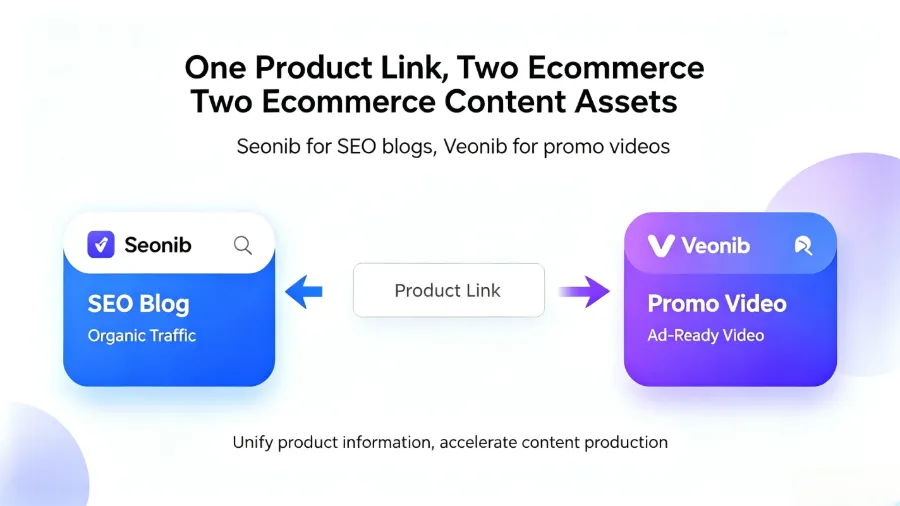
E‑commerce Video Demand Scenarios: Clarify Your “Real” Use Cases First
Different e‑commerce scenarios have completely different requirements for video tools. Product‑selling videos need bulk output, uniform dimensions, and direct selling points; live‑stream selling relies on digital‑human performance and language quality; brand films chase visual impact but don’t need high‑frequency updates; ad assets are stuck between platform review rules and click‑through rates. Plugging a generic creative tool into a bulk e‑commerce scenario is the most common selection mistake.
Last year I spent two weeks learning a generic tool, and the videos it generated failed TikTok Shop review, wasting ad budget—this taught me to test platform compatibility before committing. In 2026, mainstream AI video tools have clearly differentiated scenario coverage, and I’ve compiled a comparison table for reference:
| Tool Name | Core Advantage | E‑commerce Compatibility | Digital Human Capability | Starting Price | Best Fit Scenario |
|---|---|---|---|---|---|
| VEONIB | One‑click video generation from product URL | High | Partial | Free trial | Shopify/Amazon sellers |
| Creatify | Bulk generate 50 video variants | High | Partial | Free starter | Advertising teams |
| HeyGen | AI digital humans in 175 languages | Low | Core feature | $24/month | Multilingual markets |
| Synthesia | 240 digital humans | Medium | Core feature | Free starter | B2B training videos |
| Sora | Cinematic visual quality | Low | Partial | Pay‑as‑you‑go | Brand films |
Notice the “E‑commerce Compatibility” column—the gap between generic tools and e‑commerce‑specific tools isn’t about AI generation ability, but about whether they can directly handle product links, automatically extract selling points, and output videos in platform‑required dimensions. If your business focus is product‑page videos for Shopify or Amazon, skip tools that require manual script input. For how to create platform‑compatible videos with a single click from a product page, I previously wrote a keyword‑driven TikTok and Instagram ad tutorial that solves dimension and review‑rule issues.
Real‑World Generation Quality Tests: Don’t Be Fooled by Demos
Every tool’s website showcases a few polished demo videos—smooth footage, perfect lighting, clear selling points. But when you run your own real product assets through them, the results are often completely different. The gap between marketing claims and actual generation quality is the biggest pitfall I’ve encountered.
In 2026, mainstream tools have reached a commercial‑grade AI video quality, yet actual click‑through and conversion rates still vary significantly. I tested four tools with the same Bluetooth speaker link; the differences showed up in three areas: visual consistency—some tools produce color breaks during camera cuts; selling‑point accuracy—some misread “IPX7 waterproof rating” as “not waterproof”; scene smoothness—high‑dynamic products (e.g., cooking processes) are prone to frame drops.
My advice: start with a free trial. Most tools offer a free starter plan; spend half an hour generating three to five videos and upload them to a real ad environment. Check whether the video deforms on different platforms, whether subtitles are cut off, and whether the digital human’s lip sync is off. If you want to see the impact on Amazon conversion rates, refer to this AI product video conversion‑rate case study. Also don’t overlook the model‑update frequency behind each tool—the Gen‑4.5 version shown on the RunwayML website indeed improves visual continuity, but for e‑commerce the key remains faithful detail reproduction.
Multilingual and Platform Compatibility: The Critical Edge for Cross‑Border Sellers
Cross‑border sellers know that a product link’s Japanese‑language video will succeed or fail based on the digital human’s lip sync and pronunciation. Multilingual voice‑over capability is a must for cross‑border sellers, yet tools differ dramatically in language coverage, dialect support, and lip‑sync quality.
Data shows HeyGen covers 175 languages, Synthesia offers 240 digital humans—the coverage is indeed broad. But the question is: for niche languages like Vietnamese, Thai, Arabic, is the digital human’s performance natural enough? I tested the same English script in three tools for Arabic output; the lip‑sync quality varied by about 30%.
E‑commerce‑specific tools differ in three dimensions: whether the video size meets TikTok Shop, Amazon, and Shopify requirements; whether built‑in platform review rules prevent rejections; and whether they can bulk‑export different language versions. A practical scenario: if your store operates both US and Japan sites, using a generic tool to generate two sets of videos and then manually adjust subtitles will double time and cost. I previously saw a $20‑per‑month AI tool stack for high‑volume e‑commerce stores; the operational perspective on tool combinations is worth reference.
Real Cost Accounting: Hidden Bills Beyond the Monthly Fee
The monthly fee is only the explicit cost. The real decision‑making factors are per‑video cost, marginal cost of bulk generation, learning time, revision cost, and asset‑management cost. Cost models differ wildly across tools. I tried a low‑monthly‑fee tool, only to discover that after the 15th video it couldn’t batch‑edit subtitles, leading to over 40 minutes of rework per video.
VEONIB offers three monthly subscription tiers with a uniform 40% discount: Starter $11/month (up to 30 videos), Growth $23/month (up to 90 videos), Agency $47/month (up to 240 videos). HeyGen starts at $24/month billed by voice‑over length; Synthesia is free to start but advanced features require payment. On the surface the monthly fees seem similar, but the per‑video cost tells a different story: assuming you need 80 product videos a month, VEONIB’s discounted Growth tier costs $23, roughly $0.29 per video; a tool billed by voice‑over length could cost $1–$2 per 30‑second video, totaling $80–$160 for 80 videos.
There are three hidden bills as well: 1) learning time—some teams spend three months mastering a generic tool’s storyboard logic and still produce results inferior to the first output of an e‑commerce‑specific tool; 2) revision cost—certain tools require a full video regeneration for any edit rather than partial adjustments; 3) asset management—bulk‑generated videos without systematic organization slow down the entire publishing workflow.
If you are re‑processing supplier footage, another often‑overlooked step is watermark removal and copyright compliance. I previously compiled a supplier footage watermark‑removal and ad‑review workflow that includes handling major platform review rules, helping you avoid budget waste from non‑compliant assets.
Advanced Strategy: Combining Tools Is More Efficient Than a Single One
Experienced sellers don’t rely on a single tool. In 2026, top sellers typically adopt a combination strategy: use VEONIB for main‑image videos and social media assets, HeyGen for multilingual voice‑overs, and Sora or Runway for brand films and seasonal ads. The logic is that different video types have distinct quality, speed, and cost requirements, so no single tool should be forced to do everything.
Example for a fashion seller: 20 daily product videos are generated by VEONIB with a URL click, each under 60 seconds, focusing on style and fabric details; European market voice‑overs are translated into French and German using HeyGen’s digital humans; the quarterly brand campaign is outsourced to Sora for a 30‑second visual short, placed on YouTube and Instagram Home. The cost structure: short videos $0.30 each, multilingual versions $1.20 each, brand film project ~ $200. Compared with fully outsourcing to a video agency, monthly costs drop about 75%.
A colleague once asked: “Will combining tools fragment the workflow?” Yes, but the key is a unified asset‑management convention. Name all tool outputs as “platform_productID_date_version” and store them in a shared folder. If your team needs to generate social‑media ads directly from product pages, refer to this AI‑driven social‑media ad creation guide from product pages, which describes the full pipeline from URL to multiple ad variants.
FAQ
Q1: Which AI video tool is best for e‑commerce in 2026?
There’s no single answer. If you need fast bulk product videos on a tight budget, e‑commerce‑specific tools (like VEONIB, Creatify) are more efficient; for multilingual voice‑over scenarios, HeyGen or Synthesia are top choices; for brand films, Sora or Runway fit best. First clarify your video purpose before selecting.
Q2: What’s the core difference between VEONIB and other AI video tools?
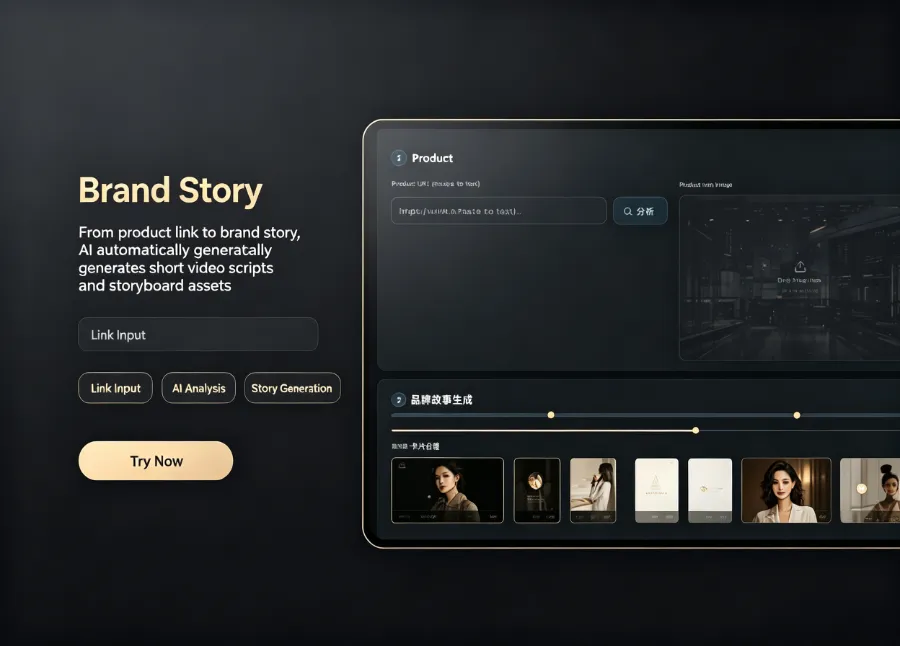
VEONIB is an e‑commerce‑specific tool that supports one‑click video generation from product URLs, automatically analyzes product selling points, and creates ad scripts. Other tools are generally generic or digital‑human‑focused and require more manual input, making bulk e‑commerce video production less efficient.
Q3: Can AI‑generated videos reach commercial quality?
In 2026, mainstream tools have largely reached commercial‑grade AI video quality; tests show AI video click‑through and conversion rates comparable to professionally shot footage. However, you must test with your own real product assets rather than relying on official demos.
Q4: What’s the typical price range for these tools?
From free starter plans to several dozen dollars per month. VEONIB’s three tiers are $11/$23/$47 (currently at 40% off), HeyGen starts at $24/month, Synthesia is free to start with paid premium features, and Sora and Runway charge based on usage.
Q5: Can I use multiple AI video tools simultaneously?
Yes—this is a common practice among top sellers in 2026. Combining VEONIB for short e‑commerce videos, HeyGen for multilingual versions, and Sora for brand assets can maximize both efficiency and effectiveness.
Share Article